The Art of Restraint in Design
How saying less can communicate more — exploring the power of intentional omission in visual design and why the most impactful work often comes from knowing what to leave out.
In a world saturated with visual noise, the instinct for most designers is to add — more elements, more colours, more effects. Yet the most enduring and resonant work often emerges from the opposite impulse: the deliberate act of removing, simplifying, and distilling until only the essential remains. This is the art of restraint, and it is far more difficult than it appears.
Why Less Actually Means More
Restraint in design is not about minimalism for its own sake. It is not an aesthetic choice driven by trend or fashion. Rather, it is a philosophical stance — a belief that every element in a composition must earn its place. When something is removed and the design still communicates effectively, that element was unnecessary. When something is removed and the communication falters, that element was essential.
The challenge lies in making these distinctions with honesty and rigour. It requires a deep understanding of the message, the audience, and the context. A restrained design is not an empty design; it is a precise one. Every remaining element carries more weight, more intention, and more meaning precisely because of what has been left out.
“Perfection is achieved, not when there is nothing more to add, but when there is nothing left to take away.”
— Antoine de Saint-Exupéry
The Confidence to Omit
Restraint requires confidence. It is far easier to fill a canvas than to leave it breathing. When a designer chooses to omit something, they are making a bold declaration: that the remaining elements are sufficient, that the audience is intelligent enough to fill the gaps, and that the concept is strong enough to stand without embellishment.
This confidence comes from mastery — from understanding the fundamentals of composition, hierarchy, and visual rhythm so deeply that decisions become intuitive rather than forced. The restrained designer does not struggle with what to add; they struggle with what to take away. And in that struggle, the true quality of the work is forged.
Restraint in Practice
Consider the most iconic brand identities of the past century. The Nike swoosh. The Apple silhouette. The Chanel logomark. Each of these is a study in restraint — forms reduced to their most elemental state, carrying immense meaning through their simplicity. They do not shout; they resonate. They do not explain; they embody.
In digital design, the same principles apply. The most effective interfaces are those that present only what the user needs, at the moment they need it. Every unnecessary button, every redundant label, every decorative element that does not serve function or meaning is a potential source of friction. Removing these obstacles is an act of empathy — a recognition that the user's attention and cognitive bandwidth are finite resources.
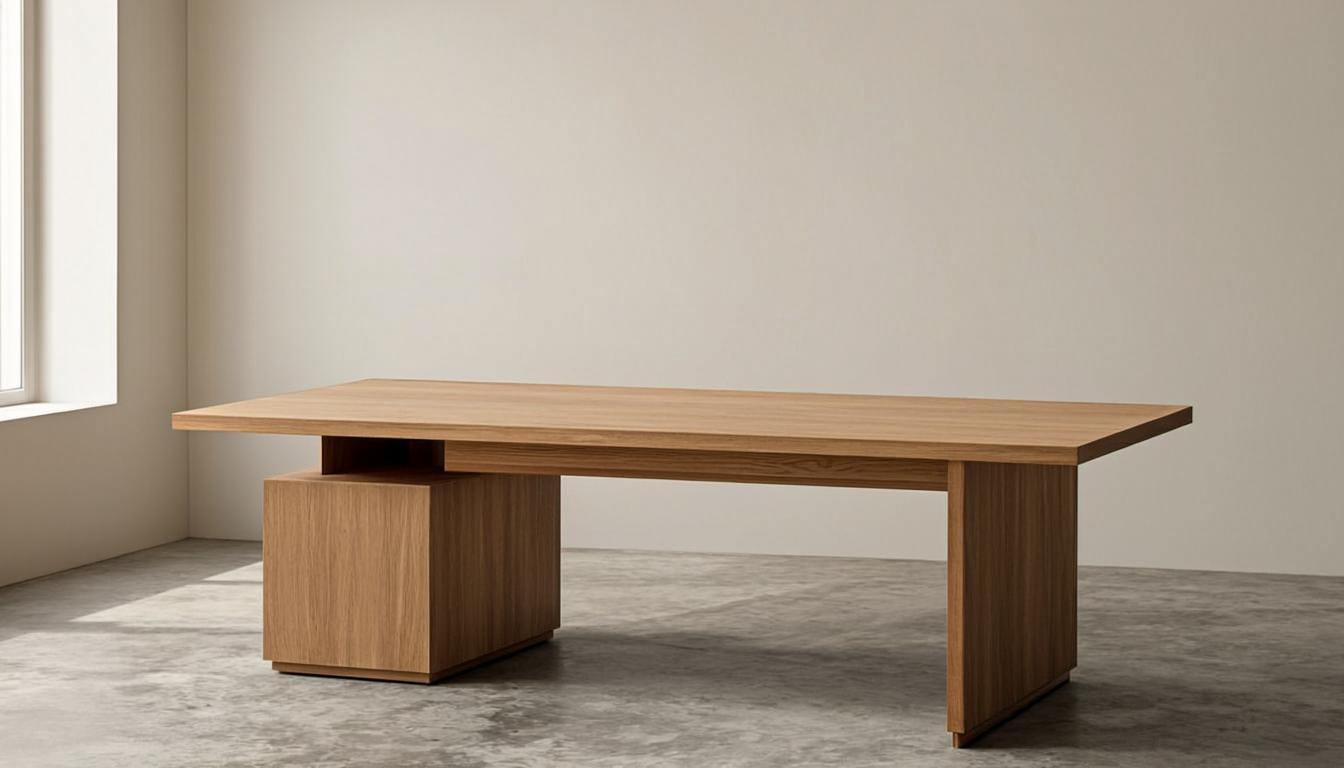
 The iterative process of reduction — from complexity to clarity
Knowing When to Stop
Perhaps the hardest aspect of restraint is knowing when to stop. The editing process can become a trap — an endless cycle of removal that eventually strips the work of its vitality. There is a threshold beyond which restraint becomes sterility, and crossing it is as much a failure as never exercising restraint at all.
The key is intentionality. Every decision to add or remove should be driven by the purpose of the design, not by an abstract commitment to simplicity. If a detail adds meaning, supports comprehension, or creates an emotional connection, it belongs. If it exists merely to fill space or demonstrate skill, it does not. This is the litmus test that separates thoughtful restraint from lazy omission.
The Quiet Impact
Design that exercises restraint does not demand attention — it earns it. In a landscape of visual excess, a quiet, considered piece of work stands out precisely because it refuses to compete on volume. It respects its audience, trusts its concept, and allows the quality of its thinking to speak for itself. This is the art of restraint, and its impact, though quiet, is lasting.